Communal Area Cleaning in SW11
If you manage, live in, or look after a shared building in SW11, keeping common spaces clean is more than a matter of appearance. It affects day-to-day comfort, building pride, safety, and how residents and visitors experience the property. Our communal area cleaning in SW11 is designed for real local needs: busy apartment blocks, converted Victorian buildings, modern developments, mansion-style flats, mixed-use properties, and managed estates across Battersea, Clapham Junction, Nine Elms borders, and the streets around them.
Shared spaces quickly show dirt and wear. Hallways pick up dust and mud, stairwells collect fingerprints and debris, entrance mats trap grime, lift areas need regular attention, and bin stores can become unpleasant if they are not maintained properly. A dependable cleaning routine keeps these spaces presentable and helps residents feel that their building is cared for. For property managers, landlords, resident associations, and block owners, the right cleaning schedule can also make life easier by reducing complaints and preventing small issues from becoming bigger problems.
We provide flexible communal cleaning services tailored to the building, the traffic it receives, and the standards expected by residents. Whether you need routine upkeep or a more detailed clean after a period of disruption, it helps to have a local team that understands SW11 buildings, access arrangements, parking limitations, and the practical realities of working in occupied residential blocks. When shared areas are cleaned properly, the whole property feels better maintained.
Why communal area cleaning matters in SW11

SW11 includes a wide mix of properties, from period conversions in and around Battersea to newer developments near Nine Elms and busy streets closer to Clapham Junction. That variety means no two communal areas are the same. Some buildings have narrow staircases, older flooring, carpeted landings, or delicate features that need careful treatment. Others have high-traffic entrances, lift lobbies, secure entry systems, and shared circulation areas used by dozens of residents every day. A one-size-fits-all approach rarely works well.
Common spaces are the first thing people see when entering a building, and they often influence how residents feel about the wider environment. Clean hallways and lobbies help create a sense of order. Fresh-smelling bin areas reduce frustration. Polished handrails, clean glass, and tidy entrances make a strong difference even when the property itself is busy. Routine communal cleaning supports both presentation and hygiene, which is why many SW11 buildings benefit from a regular schedule instead of occasional ad hoc attention.
Spaces that benefit most from regular cleaning
Depending on the property, a communal area cleaning plan may include a range of shared spaces. Typical areas include:
- Entrance halls and reception-style lobbies
- Staircases, stairwells, and landings
- Lift interiors and surrounding touchpoints
- Shared corridors and passageways
- Door frames, skirting boards, and handrails
- Bin stores and refuse collection areas
- Internal glass, mirrors, and spot-cleaned doors
- Communal noticeboard areas and mail areas
- Shared floors, mats, and hard surfaces
For larger blocks, a structured cleaning routine is especially important because dirt accumulates quickly. In smaller conversions, the challenge is often attention to detail: one scuffed hallway or dusty staircase can make the entire property feel neglected. The aim is not just to clean visibly dirty areas, but to keep the whole shared environment consistently cared for.
What our communal cleaning service can include

Every building is different, so the cleaning plan should be based on how the space is used, what surfaces are present, and what level of service is needed. Some properties in SW11 need weekly maintenance. Others may require more frequent visits because of heavy footfall, pets, children, deliveries, or shared access to commercial units. We can adapt the schedule and the tasks to match the building rather than forcing the building to fit a preset list.
A typical service may cover dusting, wiping, sweeping, vacuuming, mopping, touchpoint cleaning, and the removal of visible litter from common spaces. In many buildings, it is also helpful to clean skirting, doors, handles, bannisters, lift panels, and entrance glass on a set rotation. Small details matter in communal environments because residents notice the areas they use every day. Regular care also helps prevent build-up that becomes harder to remove later.
Common tasks included in a shared-area clean
- Vacuuming carpets and runners in hallways and landings
- Sweeping and mopping hard floors and tile areas
- Cleaning stair treads, edges, and corners
- Wiping handrails, railings, bannisters, and balustrades
- Dusting ledges, window sills, skirting boards, and frames
- Cleaning doors, handles, and commonly touched surfaces
- Removing cobwebs and visible debris where accessible
- Cleaning internal glass, mirrors, and entry panels
- Refreshing bin stores and clearing light litter
- Checking the general presentation of the area during each visit
Some properties also need extra attention in lift areas, post-room spaces, cycle stores, or shared utility rooms. If there are sensitive materials, specialist floor finishes, or access restrictions, the cleaning plan can be adjusted accordingly. The aim is to keep the building clean without disrupting residents or damaging finishes.
For residential and mixed-use buildings
Many SW11 properties are not purely residential. Ground-floor retail, office entrances, or service access points may sit beside residential lobbies or shared entrances. That can create extra cleaning demands, especially where footfall is higher and dirt is carried in from outside. A good cleaning routine helps keep residential areas separate from busier commercial traffic and supports a more professional overall appearance.
Why local customers in SW11 choose a nearby team
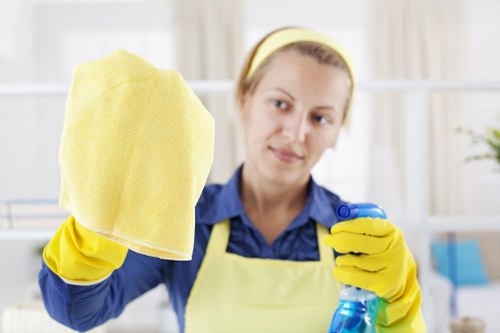
Choosing a local service provider has practical advantages. SW11 has busy roads, changing parking conditions, construction activity in some areas, and a broad mix of access arrangements. A local team is more likely to understand how to plan around these realities. That matters when cleaners need to arrive at specific times, use building entry systems, or work in properties with limited loading space. It also matters when residents expect regularity and consistency.
Properties around Battersea, Clapham Junction, and the Nine Elms edge can have different pressures. Some blocks have frequent resident turnover. Others are long-established communities with strong expectations about cleanliness. Local experience helps a cleaning team anticipate the sort of issues that commonly arise, from muddy entrances after wet weather to bin store build-up after collection days. Reliable communal area cleaning in SW11 is about more than wiping surfaces; it is about understanding how the property is used every week.
Local knowledge can make service smoother
A nearby team is often better placed to work around:
- Restricted parking and loading limits
- Controlled access systems and entry codes
- Shared entrances with specific resident access windows
- Older properties with narrow stairs or delicate finishes
- High-traffic buildings where cleaning must be timed carefully
- Mixed-use developments with separate circulation routes
That practical awareness reduces delays and helps ensure the service fits smoothly into the building’s routine. It also makes communication easier when a manager wants to adjust tasks, increase frequency, or address a specific issue in a common area.
Ideal for property managers and resident-led buildings
Our service is suitable for block managers, letting agents, landlords, resident management companies, and owners who need dependable shared-space upkeep. For resident-led buildings, consistency is often the most important thing. People want to know that the common areas will be cleaned on time, that standards will be maintained, and that any recurring problems will be flagged early.
How communal area cleaning works
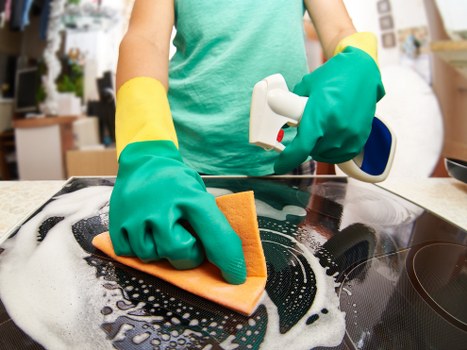
Booking communal cleaning should feel straightforward. The process usually begins with understanding the building layout, the spaces that need attention, how often they should be cleaned, and any access or timing requirements. The cleaning plan can then be tailored to the property so that it provides value without unnecessary extras. Clear planning makes shared-area cleaning more effective and helps ensure everyone knows what to expect.
For many buildings, a fixed weekly or twice-weekly routine works best. However, some premises need more frequent visits, especially if there are many residents, multiple entrances, pets, commercial units, or bin areas that fill quickly. In other cases, a less frequent but more detailed service may be enough. The correct schedule depends on the property’s real usage, not just its size.
A typical service process
- Initial discussion about the building and the areas needing attention
- Review of access, keys, fobs, timings, and any resident sensitivities
- Creation of a cleaning plan based on footfall and property type
- Regular visits to clean the agreed communal spaces
- Ongoing review to adjust frequency or tasks if needs change
Some customers prefer a simple routine focused on the main traffic areas. Others want a more detailed specification that includes lift cabins, internal glazing, bin stores, and periodic deep cleaning tasks. Either way, the service should be transparent and practical, with a clear understanding of what is included. If a building changes over time, the plan can be updated so the cleaning continues to match the property’s condition.
What a good cleaning visit may look like
A standard visit often starts with the most visible and most used spaces, such as the entrance and main hallway. From there, the cleaner can move through stairwells, landings, and other shared areas, working from top to bottom or following the building’s layout. Attention is usually given to touchpoints, because these are the parts residents interact with most often. Finishing touches may include checking the floor for missed debris, tidying the presentation, and making sure the area is left neat for the next residents and visitors.
What is included in the cleaning specification
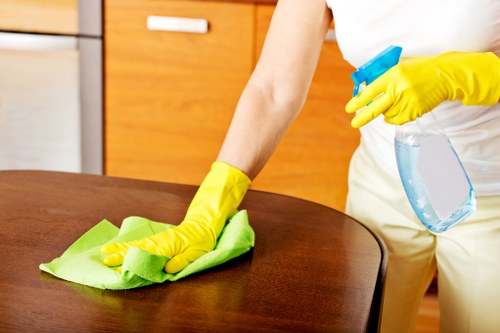
Customers often ask what exactly is covered in communal area cleaning. The answer depends on the building specification, but there are some core elements that are frequently included. These are the tasks that help a shared property remain clean, tidy, and comfortable to use. It is usually better to have a clear written specification than to rely on vague assumptions.
A good specification helps both sides. Residents and managers know what is being done, and the cleaning team can work consistently. This is especially important in SW11, where building types range from compact Victorian conversions to larger developments with multiple corridors and shared facilities. Different properties demand different levels of effort, so the scope should reflect reality.
Common specification items
- Weekly or scheduled cleaning of hallways and entrance areas
- Floor care for carpet, vinyl, tile, stone, or sealed surfaces
- Dust removal from visible horizontal ledges and fixtures
- Touchpoint cleaning on bannisters, handles, and switches where appropriate
- Refuse and bin-area tidying within the agreed scope
- Spot cleaning of marks on doors, walls, and glass
- Presentation checks for lobbies, lift areas, and shared landings
- Optional periodic deeper cleaning where needed
Some sites may also benefit from additional tasks such as communal mat cleaning, periodic deep cleans after refurbishment, or targeted attention to problem areas like entrance glass that collects fingerprints quickly. If the building has sensitive materials or specialist flooring, it is sensible to choose methods and products that suit the surface rather than using a rough approach that could cause damage.
Useful additions for busy buildings
In high-traffic properties, extra services can help keep standards up between visits. For example, periodic deep cleaning of stairwells can remove embedded dirt that routine cleaning alone will not address. Seasonal attention may also be useful during wetter months when more mud is brought into the building. In summer, dust and pollen can build up in entrance areas and window ledges. A flexible plan helps keep the property looking its best all year round.
Areas covered across SW11
Communal area cleaning is often arranged across the wider SW11 district, including parts of Battersea, the Clapham Junction area, and developments near the southern edge of the area. Many customers also ask about nearby streets and neighbourhoods where shared buildings, mansion blocks, conversions, and modern apartments all need regular upkeep. Because the building stock is so varied, a local service is useful for adapting to each site’s layout and access requirements.
We can support properties close to busy transport links, residential streets, and mixed-use locations where shared spaces experience different levels of footfall throughout the week. Some buildings are very close to transport and shopping routes, so their entrances pick up extra dirt. Others are tucked away on quieter streets but still require consistent maintenance because a small amount of dust and litter can quickly become noticeable in enclosed common areas. Local cleaning support helps keep these spaces looking cared for without added hassle.
Typical property types in SW11
- Purpose-built apartment blocks
- Period conversions and maisonettes
- Managed estates and residential developments
- Mixed-use buildings with shared residential entrances
- Small blocks with stair-only access
- Larger developments with lifts, lobbies, and multiple corridors
- Private rental properties with communal halls
Whether the building is compact or extensive, the same principles apply: a reliable routine, careful attention to shared surfaces, and a cleaning plan that matches the property’s real usage. The best results come from knowing the site well enough to spot patterns, such as which entrance collects the most dirt, where cobwebs reappear, or which bin area needs the most attention after collection day.
Practical support for property professionals
Estate and block managers often need a service that is easy to schedule and easy to update. If the building changes, the service should be able to change too. That may mean increasing visit frequency, adding more thorough floor care, or focusing on a particular problem area. A local team that works regularly in SW11 can usually respond more efficiently to these changes than a distant provider unfamiliar with the property landscape.
How to prepare a building for communal cleaning
Most communal cleaning services require very little preparation, but a few small steps can help everything run smoothly. These are especially useful for buildings with controlled access, resident timing preferences, or shared facilities that are used throughout the day. Keeping the process straightforward helps minimise disruption while making sure the cleaners can work efficiently.
If you are organising cleaning for a block or shared property, it helps to confirm where access is available, whether there are any restricted hours, and if there are specific areas that need extra care. It is also useful to let residents know in advance if the service is starting for the first time or if certain areas will be temporarily unavailable. Good preparation can prevent misunderstandings and keep the whole building running smoothly.
Simple preparation checklist
- Make sure access arrangements are agreed in advance
- Confirm which communal spaces should be cleaned
- Remove personal items from shared corridors and landings where possible
- Report any damaged fixtures or fragile surfaces that need care
- Let residents know the cleaning times if needed
- Identify areas requiring special attention, such as bin stores or lift lobbies
In many properties, the cleaner will be able to work around normal building activity. However, if residents frequently move furniture, leave items in hallways, or use the spaces for storage, it may be worth agreeing a clear approach before the first visit. That helps protect both the cleanliness of the building and the safety of the shared areas.
Why cleanliness and safety go together
Shared spaces are not only about looks. Dust, litter, spills, and clutter can create slip or trip concerns, especially in stairwells and entrance areas. Regular cleaning can help keep floors safer and make issues easier to spot early. A tidy environment also encourages better use of the space, because residents are less likely to leave items out when the building is clearly being looked after.
Pricing factors for communal area cleaning
Customers often want to understand what influences the cost of communal area cleaning in SW11. While exact figures depend on the building and service scope, several practical factors usually affect the overall price. These include the size of the property, the number of floors or entrances, the frequency of visits, the types of surfaces, and any additional tasks requested. The more detailed the specification, the more time and care may be required.
It is also important to consider the level of access complexity. Buildings with lifts, multiple blocks, controlled entry points, or restricted working times may take longer to service. Similarly, properties with high resident traffic, bin stores that need regular attention, or a lot of glass and touchpoints may need more frequent cleaning. The right service should be shaped around the building rather than forced into a standard pattern.
Factors that may affect the quote
- Property size and number of communal areas
- Frequency of cleaning visits
- Level of footfall and everyday use
- Need for additional tasks such as bin store cleaning or lift detailing
- Access arrangements and site-specific scheduling needs
- Surface types and any special cleaning care required
If you are arranging cleaning for the first time, it can help to request a quote based on the actual property layout and current condition. That way, the service can be planned properly from the start. For buildings already on a routine, quotes may be reviewed if usage changes or if residents want a different level of service.
Why value matters more than the cheapest option
Shared-area cleaning is a regular service, so consistency is often more important than a low initial figure. A slightly better-planned service can reduce complaints, improve the look of the building, and save time for managers and residents. In many cases, the most economical option is the one that delivers dependable cleaning on a schedule that matches the property’s needs.
Why choose a local company for SW11 communal cleaning
There are practical advantages to using a company that works locally in SW11 rather than one that treats the area as an occasional stop. Local knowledge helps with access, timing, traffic patterns, and the expectations of different types of buildings. A team that already understands the neighbourhood is more likely to fit in cleanly with the property’s routine and deal well with day-to-day realities.
Local service also makes communication easier. If something changes, such as a block having temporary access restrictions, a refurbishment, or an increase in resident usage, it is easier to adapt when the team is nearby and familiar with the site. For many customers, that responsiveness is one of the most valuable parts of the service. It is about getting the cleaning done properly, not just getting it done.
Benefits of a nearby cleaning provider
- Better understanding of SW11 property layouts and access issues
- More practical scheduling for busy residential buildings
- Faster response to changes in site requirements
- Cleaner, more consistent shared spaces
- Suitable support for both small blocks and larger developments
- Reduced disruption to residents and building users
Whether you are managing a single staircase in a converted building or a larger estate with multiple common areas, a local team can help make the routine more reliable. The main aim is simple: keep the property presentable, maintain standards, and make shared spaces feel cared for throughout the year.
Frequently asked questions
How often should communal areas be cleaned?
That depends on building size, resident numbers, and daily footfall. Some properties need weekly cleaning, while busier blocks may need more frequent visits. A suitable schedule should reflect how quickly the space becomes dirty and how much presentation matters to residents and visitors.
Can you clean older buildings and period conversions?
Yes. Many SW11 properties have older features, narrow stairs, or more delicate finishes. These buildings often need a careful approach and appropriate methods to avoid damage while still achieving a good standard of cleanliness.
Do you clean bin stores as part of the service?
Bin-store cleaning may be included if it is part of the agreed specification. Because these areas can become unpleasant quickly, many customers choose to add them to the routine or request them on a regular basis.
Do mixed-use buildings need a different cleaning plan?
Often, yes. Buildings with commercial entrances, retail units, or office access may experience more footfall and more dirt in common areas. A tailored plan helps ensure the residential spaces still remain clean and calm even when the building is busy.
What if our building has limited access or unusual timing rules?
That is usually manageable. Many SW11 properties have controlled access systems or resident-preferred cleaning windows. A local service can often work around these arrangements once the access details are agreed.
Can the cleaning specification change later?
Yes. If the property becomes busier, if residents ask for more frequent cleaning, or if a particular area needs extra attention, the plan can be adjusted. Buildings change over time, so the cleaning service should be flexible enough to change with them.
Is communal cleaning suitable for small blocks?
Absolutely. Small blocks often benefit greatly from consistent cleaning because even a little dust or litter can be noticeable in enclosed spaces. Regular upkeep helps small properties feel well managed and pleasant to use.
Book communal area cleaning in SW11
If your building needs dependable shared-space cleaning, now is a good time to arrange a service that fits the property properly. From entrance halls and stairwells to lift areas, corridors, and bin stores, the right routine can make a clear difference to how the building looks and feels. Communal area cleaning in SW11 is most effective when it is planned around the building’s layout, use, and access requirements.
Whether you manage a residential block, a mixed-use property, or a small conversion, we can help you put a practical cleaning schedule in place. If you are ready to improve presentation and keep shared spaces in better condition, contact us today, request a free quote, or book your service now. A cleaner communal environment is often one of the simplest ways to improve everyday living for everyone in the building.
Choose a service that keeps pace with your property, supports residents, and works reliably in the real conditions found across SW11.